


IKV continues research into high-quality mechanical recycling of flexible plastic packaging
Successful preliminary work on recycling household LDPE waste provides the foundation for the next project phase. IKV is inviting additional international technology partners to join the consortium for 2027–2028.
Aachen, October 2026 – How can recyclates from used plastic packaging be processed to meet the requirements of demanding applications? The LOOPCYCLING collaborative research project at the Institute for Plastics Processing (IKV) at RWTH Aachen University has demonstrated the potential of high-quality mechanical recycling of flexible polyethylene (LDPE) packaging. Building on these results, the project is set to continue in 2027 and 2028 as LOOPCYCLING 2. The aim is to further develop the process chain, improve the quality of the recycled material even further, and extend the processes to include flexible polypropylene (PP) packaging, most of which is printed on the reverse side.
 © IKV
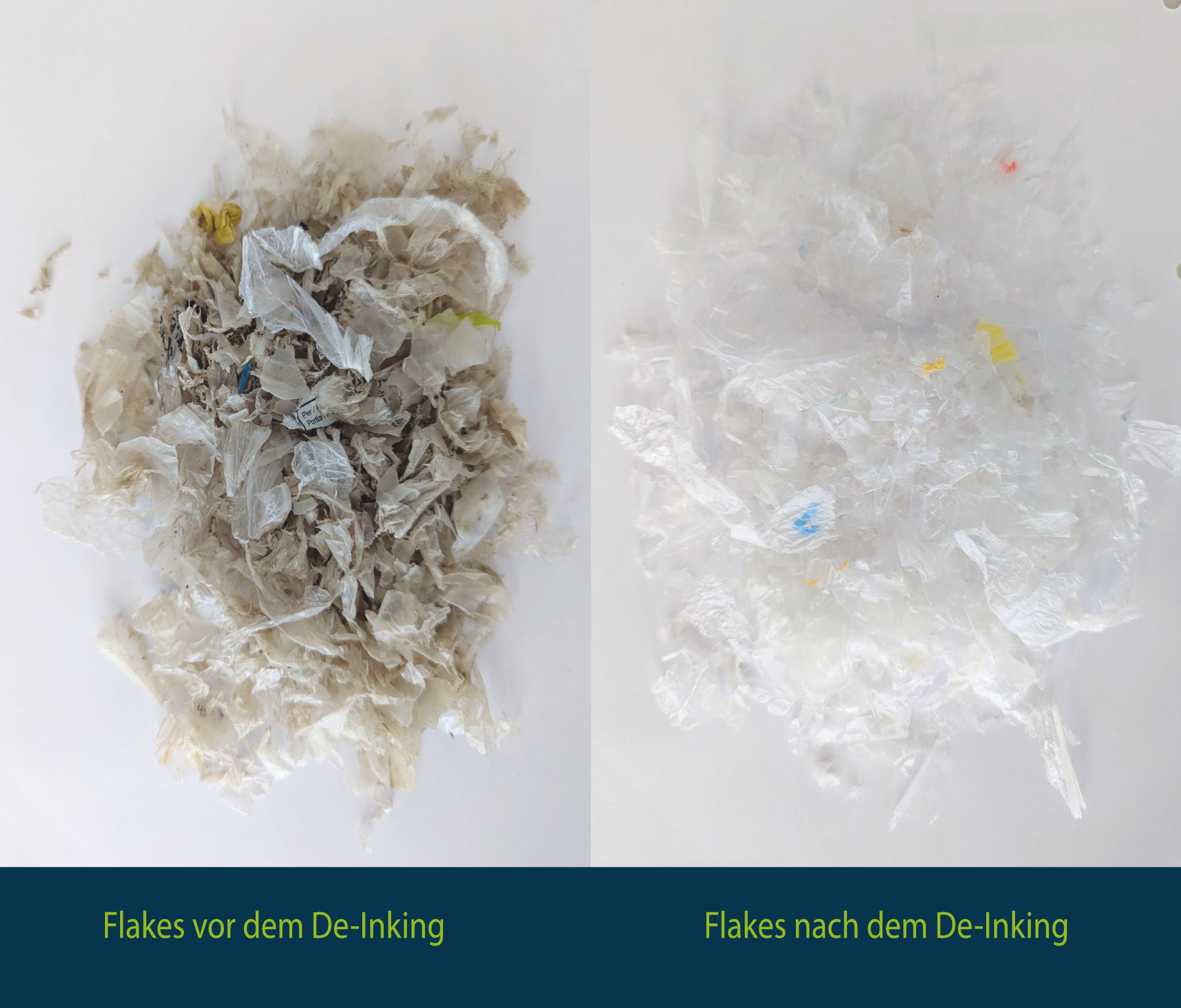
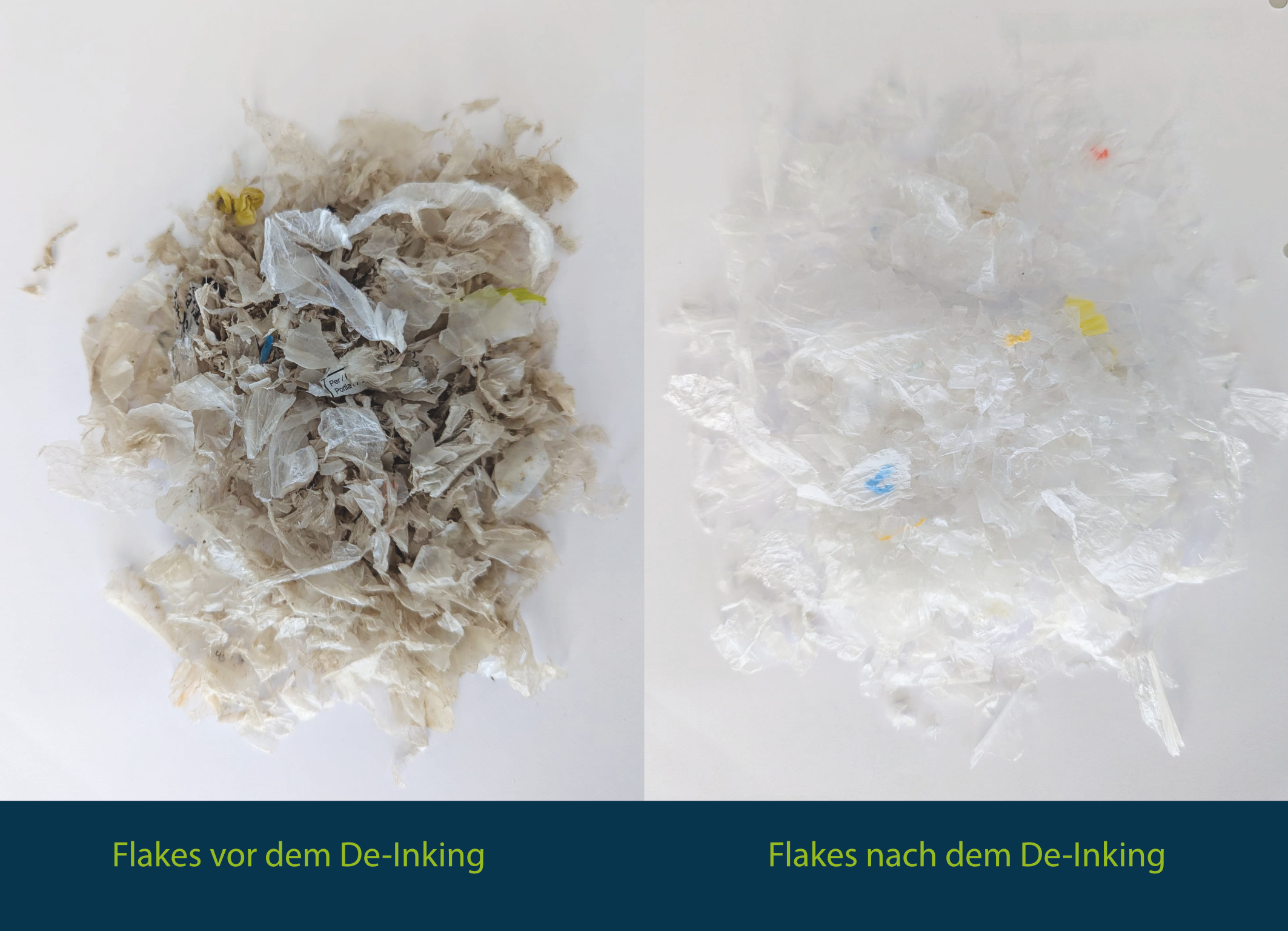
© IKVDuring the first project phase, running from 2025 to 2026, the consortium investigated the entire process chain, from sorting and de-inking to compounding, degassing and decontamination, followed by film production and analytical assessment. The work produced recyclate qualities from household post-consumer recyclate (PCR) based on flexible LDPE that achieved the tested Level B for rinse-off cosmetic packaging. Migration tests were conducted using a 50% ethanol-water mixture according to DIN Spec 91521. De-inking printed films also significantly reduced defects and improved the mechanical properties of the resulting films. However, challenges remain when processing multilayer laminates containing different materials.Three Key Focus Areas for LOOPCYCLING 2
Three priorities for LOOPCYCLING 2
The next phase will focus on further optimising the recycling process chain. First, sorting and de-inking will be improved further, with particular attention to the removal of printing inks from reverse-printed laminates and, where necessary, the separation of their individual layers. Printing inks and functional layers make these structures particularly challenging to recycle.
Second, compounding and degassing will be further developed. Investigations will include optimised degassing concepts for twin-screw extruders and the use of suitable stripping agents. Third, melt filtration will be improved to remove also soft and smaller contaminants more effectively. These measures aim to increase recyclate purity and quality.
LOOPCYCLING 2 extends the developed approaches to flexible PP packaging. Due to its composition and the high proportion of printed and metallized composite structures, this material stream poses unique challenges for sorting, decoloring, and processing.
 © IKV
© IKVTechnology Partners Sought
Several new technology partners have already joined LOOPCYCLING 2. The IKV aims to pool industrial expertise across the entire recycling chain and is therefore seeking additional companies that would like to contribute their technologies and research questions to the project. This call is directed in particular at recyclers, providers of sorting, washing, and decoloring technologies, as well as packaging, raw material, and machinery manufacturers, and brand owners.
Companies interested in participating can join the project planning until the end of 2026. The consortium aims to develop the technological basis for high-quality recyclates in demanding packaging applications and further advance the circular economy for flexible plastic packaging.